
First Responders
Emergency Evacuations
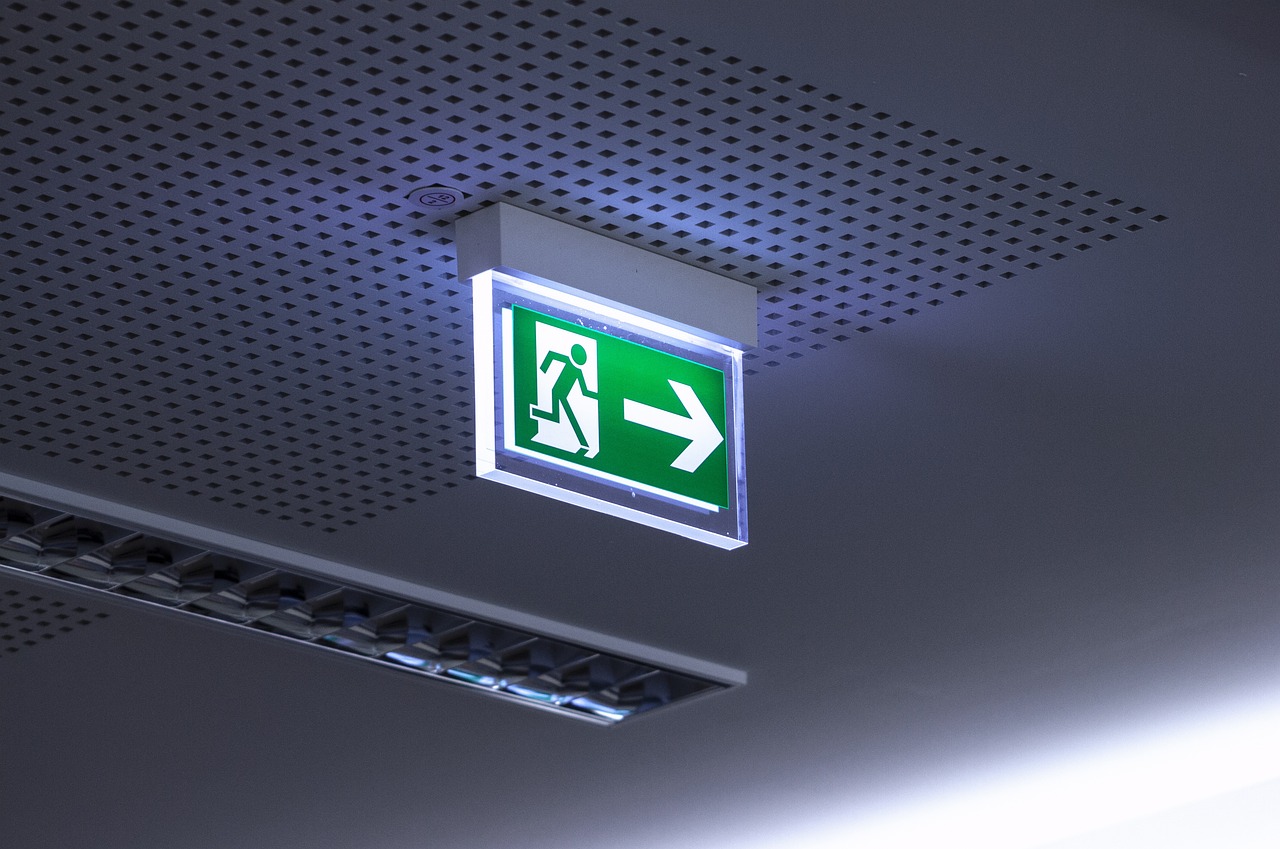
In emergency situations, time is critical—and so is coordination. Our security personnel are trained to act swiftly, ensuring the safety and well-being of everyone on-site during evacuations.
Our guards play a vital role in managing emergency evacuations. They serve as first responders who help guide occupants to safety, maintain order, and support emergency services. Their presence ensures that evacuations are executed calmly, efficiently, and in accordance with established safety protocols.
Objective:
The primary objective of our guards during an emergency evacuation is to protect lives by ensuring a safe, swift, and orderly evacuation of all individuals from the premises. By maintaining control, assisting where needed, and working closely with first responders, our security team minimizes risk and maximizes safety during critical moments.
We're here to Serve Protect Prevent
The Role of a Security Guard in Emergency Evacuations
Responsibilities:
- Initiating or supporting evacuation procedures by activating alarms and guiding occupants.
- Directing people to designated exits based on the safest available routes.
- Maintaining calm to prevent panic and confusion.
- Assisting individuals with special needs, including those with mobility challenges.
- Conducting sweep checks of key areas (e.g., bathrooms, stairwells, or remote corners) to ensure no one is left behind.
- Coordinating with emergency responders, providing real-time information and access.
- Restricting re-entry to hazardous areas until it is officially safe to return.
- Documenting and reporting details of the evacuation for future safety reviews.
Maintain an Emergency Contact List:
- SAPS (South African Police Service) – local station & national emergency number (10111).
- Fire & Rescue Services – local fire station or 10177.
- Stay on the line if needed to answer follow-up questions.
- Ambulance / Medical Emergency Services – public or private (e.g., Netcare 082 911, ER24 084 124)
- Municipal Services – electricity/water/gas emergency departments.
- Disaster Risk Management / Metro Police.
- This list should be printed at guard posts and saved on phones or radios (where allowed).
Use of Communication Devices:
- Landline telephones at control rooms or receptions.
- Two-way radios linked to supervisors who can escalate to emergency services.
- Mobile phones (if permitted) for direct calls.
- Keep battery-powered devices charged and accessible at all times.
Clear Communication Protocol:
- When contacting an emergency service, guards should follow the "WHO-WHAT-WHERE" method:
- WHO is calling: Identify yourself (e.g., “This is John, security guard at XYZ Complex”).
- WHAT is the emergency: Briefly describe the incident (e.g., fire outbreak, injury, break-in).
- WHERE it is happening: Give a precise address and landmark if needed.
Follow Chain of Command:
- Where required, inform the site supervisor or control room first, who will either make the call or authorize the guard to do so.
- Log all communication: time of the call, who was contacted, and what was reported.
During the Emergency, our guard will:
- Keep the scene safe and secure.
- Help guide ambulances or responders to the exact location.
- Provide first aid or CPR if trained and safe to do so.
- Guide emergency personnel to the exact location upon arrival.
- Control crowd or traffic as needed.
After the Incident:
- Record all details in the incident report.
- Submit any notes, call logs, or reference numbers received from emergency responders.
- Participate in any follow-up investigation or internal review.
Need Emergency evacuation guards?
Get your FREE quote today