
protect what is yours
Patrolling Guards
At Break Point Security, we deliver tailored protection with highly trained personnel, 24/7 vigilance, and unwavering professionalism. Ideal for residential communities, corporate offices, warehouses, and industrial sites, Gate & Boom Guarding plays a critical role in perimeter defense and first-point security management.
Objective:
To deliver proactive and visible security coverage through highly trained patrolling guards who deter threats, detect irregularities, and respond swiftly to incidents—ensuring continuous protection, safety, and peace of mind across all areas of your premises.
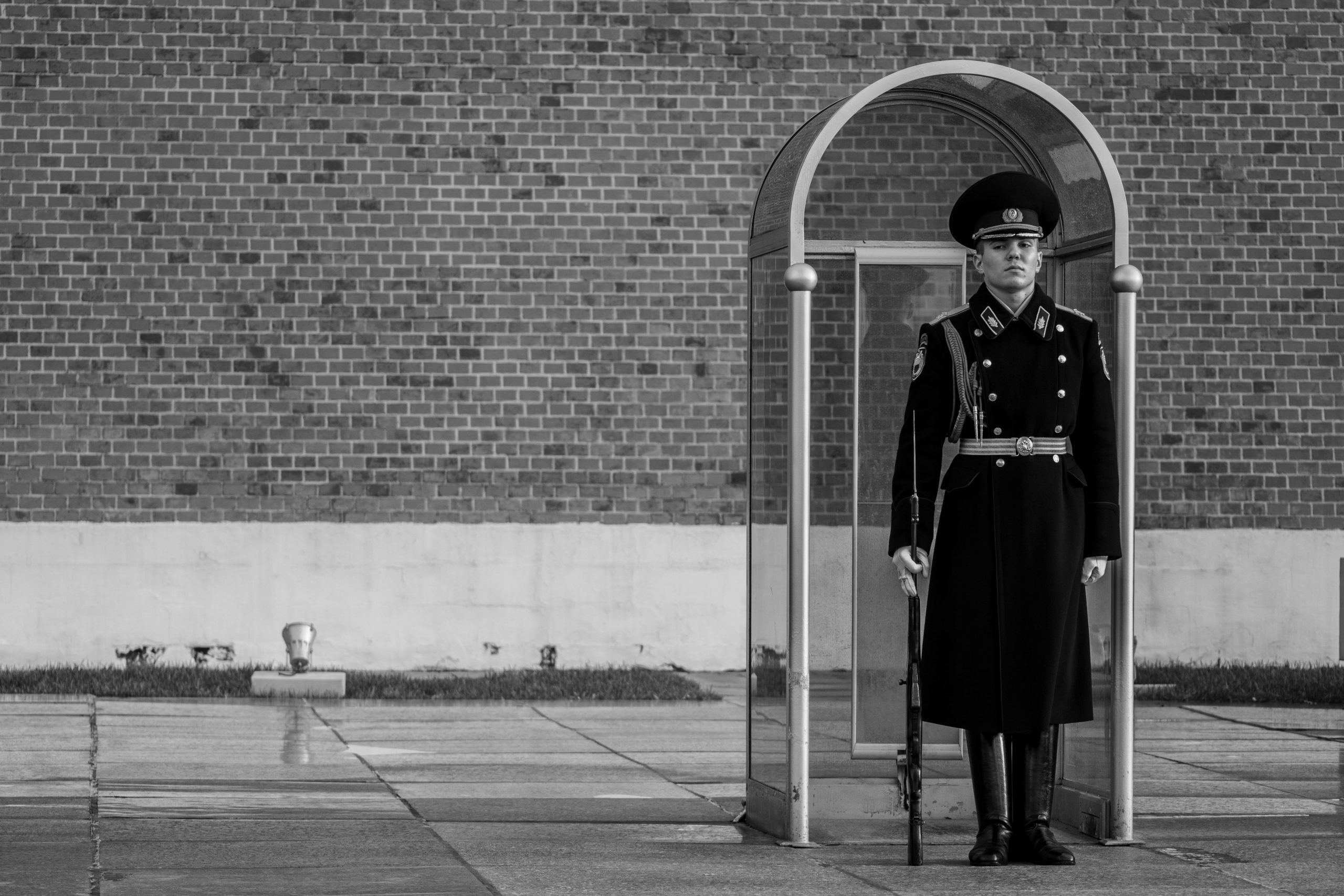
We're here to Serve Protect Prevent
Procedure for Patrolling Guards
Pre-Patrol Briefing:
- Report to the security supervisor for briefing.
- Receive patrol schedule, designated areas, and any special instructions.
- Ensure all necessary equipment is functional (e.g., flashlight, communication device, patrol logbook, body cam if applicable).
Patrol Types:
Routine Patrols: Scheduled at fixed or randomized intervals to cover all assigned areas.
Surprise Patrols: Conducted without prior notice to identify unusual behaviour or breaches.
Incident-Driven Patrols: Performed in response to specific alerts, alarms, or complaints.
Patrol Procedure:
- Begin patrol on time as per schedule.
- Move silently and remain alert at all times.
- Inspect all access points for signs of tampering or forced entry.
- Check for hazards such as fire risks, water leakage, or electrical issues.
- Observe and report any unusual behavior or unauthorized personnel.
- Use patrol verification systems (QR codes, RFID tags, NFC points, or logbooks) to mark patrol completion.
Communication Protocol:
- Maintain constant radio contact with the control room.
- Immediately report any suspicious activity or emergencies.
- Call for backup if needed—do not confront dangerous individuals alone.
Documentation:
- Record patrol times and observations in the patrol log.
- Report any incidents with detailed notes including time, location, persons involved, and actions taken.
- Submit the report to the supervisor at the end of the shift.
Post-Patrol:
- Return equipment and debrief with the supervisor.
- Share any concerns or recommendations for improved security.
- Prepare for the next scheduled patrol or end-of-shift handover.
Need Patroling Guards?
Get your FREE quote today